How airline ticket prices are determined sets the stage for this enthralling narrative, offering readers a glimpse into a story that is rich in detail and brimming with originality from the outset. Exploring the intricate web of factors influencing ticket costs, this discussion delves into the dynamic world of airline pricing strategies.
From the influence of demand and supply to the impact of competition, this exploration sheds light on the multifaceted nature of setting ticket prices in the aviation industry.
How Airline Ticket Prices are Determined

Airline ticket prices are influenced by a variety of factors that airlines take into consideration when setting their fares. These factors can range from operating costs to market demand and competition. Understanding how these elements come together can help passengers make informed decisions when booking flights.
Factors Influencing Airline Ticket Prices
- Operating Costs: Airlines consider expenses such as fuel prices, labor costs, maintenance, and other operational expenses when determining ticket prices.
- Market Demand: Fluctuations in demand for certain routes or travel times can impact ticket prices. During peak travel seasons or popular events, prices tend to increase.
- Competition: The level of competition on a specific route can influence pricing strategies. Airlines may adjust fares to attract customers away from rival carriers.
Dynamic Pricing Strategies
- Peak Pricing: Airlines may implement higher prices during peak travel times or holidays when demand is high.
- Discounts and Promotions: Airlines offer discounts and promotions to fill empty seats or attract customers during slow periods.
- Personalized Pricing: Some airlines use data analysis to offer personalized fares based on a customer’s browsing history or purchasing behavior.
Role of Demand and Supply
- High Demand, Low Supply: When demand exceeds available seats, prices tend to rise. Conversely, when supply exceeds demand, airlines may lower prices to fill seats.
- Flexible Booking: Passengers who book well in advance or are willing to be flexible with travel dates may secure lower fares due to supply and demand dynamics.
Impact of Competition
- Price Matching: Airlines may adjust their prices to match or beat competitors, especially on popular routes with multiple carriers.
- Market Saturation: Intense competition on certain routes can lead to lower fares as airlines vie for passengers’ business.
AIRLINE TICKETS
When it comes to purchasing airline tickets, passengers have a variety of options to choose from based on their preferences and budget. Understanding the different types of airline tickets available can help travelers make informed decisions.
Types of Airline Tickets
- Economy Class: This is the most basic and affordable ticket option, offering standard amenities and services.
- Business Class: Passengers opting for Business Class enjoy more space, comfort, and premium services compared to Economy Class.
- First Class: First Class tickets provide the highest level of luxury and personalized services, including gourmet meals, spacious seating, and exclusive lounges.
Budget Airlines vs. Full-Service Carriers
- Budget airlines typically offer lower base fares but charge extra for additional services such as checked baggage, seat selection, and in-flight meals.
- Full-service carriers generally include more amenities in the ticket price, such as complimentary meals, entertainment, and checked baggage allowances.
- While budget airlines can be cost-effective for travelers looking for no-frills options, full-service carriers cater to passengers seeking a more comfortable and comprehensive flying experience.
Yield Management and Ticket Pricing
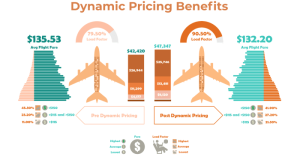
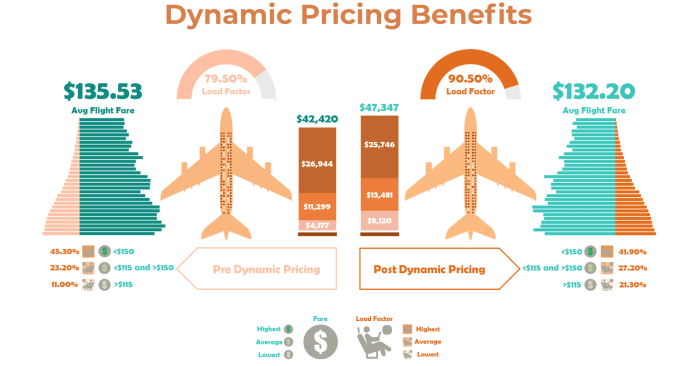
Yield management is a pricing strategy used by airlines to optimize revenue by adjusting ticket prices based on factors such as demand, seasonality, and competition. This dynamic pricing approach allows airlines to maximize profits by selling tickets at varying price points depending on market conditions and booking trends.
Booking Timing and Flexibility
- Booking tickets in advance or during off-peak times can often result in lower fares, as airlines offer discounts to fill empty seats and stimulate demand.
- Remaining flexible with travel dates and times can also help passengers secure cheaper tickets, as prices can vary significantly based on the day of the week and time of day.
- Monitoring fare fluctuations and being open to adjusting travel plans can lead to significant cost savings when booking airline tickets.
In conclusion, understanding how airline ticket prices are determined provides a nuanced perspective on the intricate mechanisms driving pricing strategies in the airline industry. Delving into the realm of yield management, booking timing, and pricing structures, this discussion offers a comprehensive overview of the dynamics at play.
Frequently Asked Questions
How do airlines decide on their ticket prices?
Airlines consider various factors such as operating costs, demand, competition, and even the time of booking to determine ticket prices.
What are some common dynamic pricing strategies used by airlines?
Dynamic pricing strategies include personalized pricing, surge pricing during peak seasons, and pricing based on historical data and demand fluctuations.
What is yield management in the context of airline ticket pricing?
Yield management is the practice of adjusting ticket prices based on demand forecasts to maximize revenue and profitability.
How can booking timing and flexibility affect ticket prices?
Booking early or being flexible with travel dates can often result in securing cheaper airline tickets due to fluctuating prices.